Heat Transfer in Sodium Thermal Systems
1. Introduction
Liquid metals, such as sodium, exhibit superior thermal conductivity compared to conventional heat transfer fluids (HTFs) such as water and oil, enabling them to absorb and transfer heat efficiently. This characteristic is particularly beneficial in applications requiring efficient thermal management, such as nuclear reactors, concentrating solar thermal collectors, and aerospace and electronic cooling.
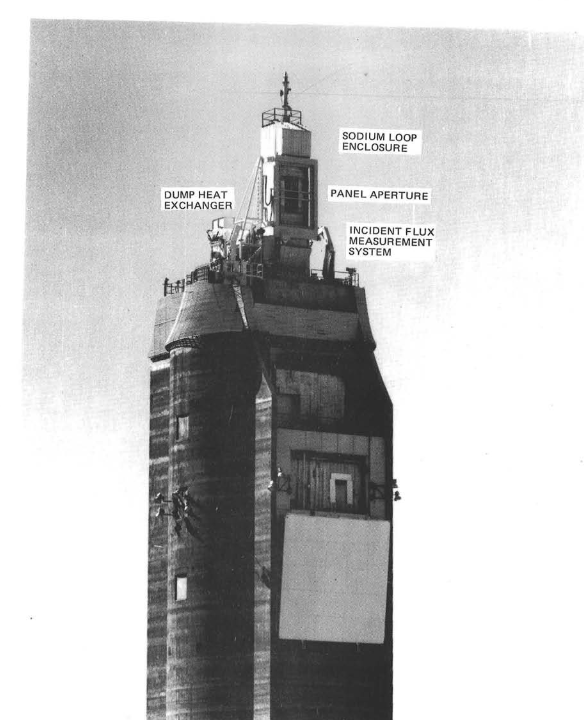
Sodium with a melting point of 97.8°C and a boiling point of 882°C remains in the liquid state over a wide temperature range, making it suitable for high-temperature operations, especially related to concentrated solar power (CSP). Pioneered at Sandia National Laboratories [Fig. 1(a)] and at Plataforma Solar de Almeria in the 1980s, sodium-based CSP technology is progressing towards deployment at commercial scales. Current pilot-scale demonstration projects like Vast's Jemalong, NSW, sodium facility [Fig. 1(b)] have showcased the use of sodium as an efficient HTF, and presently Vast is developing the world's first commercial-scale sodium-based CSP plant near Port Augusta, South Australia. With melting point substantially lower than molten salts, sodium enables distributed piping networks and thus modular solar field arrangements, such as that shown in Fig. 1(b).
 |  |
| (a) | (b) |
Figure 1. Liquid-sodium concentrated solar thermal systems: (a) Sandia National Laboratory's sodium receiver installed for on-sun tests (OSTI, 1983), and (b) Vast's sodium demonstration plant in Jemalog, NSW, Australia (reproduced with permission from Vast).
As the use of sodium enhances solar receiver's efficiency (Coventry et al., 2015), technical advancements are enabling the coupling of receiver systems to high-temperature power cycles like supercritical-CO2 Brayton cycles. This article provides an overview of the research on heat transfer mechanisms in sensibly heated and boiling sodium systems.
2. Sensibly heated sodium systems
The high thermal conductivity and low specific heat characteristics of sensibly heated sodium cause the thermal diffusivity to dominate the energy transfer process compared to the momentum diffusivity. This results in liquid sodium (and many other liquid metals) being characterized as low Prandtl number (Pr ≪ 1) liquids.
The development of the temperature profile of a low Prandtl number fluid as compared to that of a high Prandtl number fluid flowing at temperature T over a semi-infinite plate with constant wall-temperature Tw can be seen in Fig. 2. Low Prandtl number fluids allow deeper penetration of thermal energy from the heated wall into the flowing fluid in comparison to the momentum transfer, resulting in larger thermal boundary layer thickness in comparison to the velocity boundary layer thickness. In contrast, high Prandtl number fluids (Pr ≫ 1) allow deeper penetration of the momentum transfer from the wall to the flowing fluid compared to thermal energy.
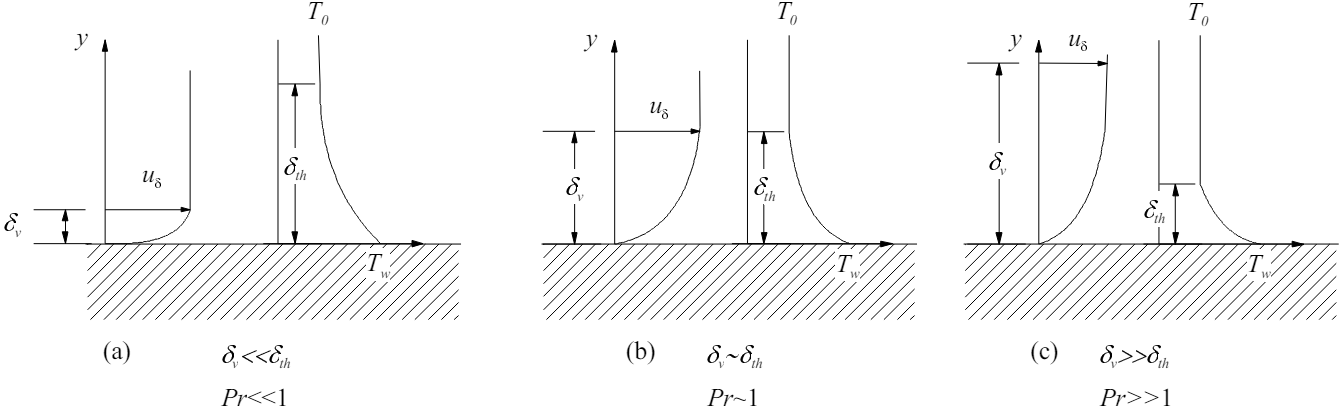
Figure 2. Temperature and velocity profile of fluids with varying Pr. Reproduced from Cornet (2015) with permission from Nuclear Energy Agency (NEA).
A key challenge for predicting heat transfer characteristics in sensibly heated sodium systems is the effect of turbulence on the heat transfer coefficient. A far more complex heat transfer characteristic for turbulent internal flows exists in liquid metals as compared to liquids with a high Prandtl number. As a result, the Dittus–Boelter Nu correlation (Kays et al., 1980) does not apply to liquid metal flows, especially sodium. A review of Nu correlations for liquid metals is provided in Pacio et al. (2015). The Nu correlations suitable for sodium are summarised in Eq. (1) and Table 1.
| Nu = a + bPecPrd | (1) |
A reference text on sodium and sodium-potassium systems engineering (Foust, 1972) recommends the use of the correlation given in Skupinski et al. (1965) while the correlation from Chen and Chiou (1981) is favoured in the more recent comparison performed in Pacio et al. (2015).
TABLE 1: Coefficients of Nu correlations given by Eq. (1) for sodium turbulent internal flow
| Ref. | a | b | c | d |
|---|---|---|---|---|
| Kutateladze et al. (1958) | 5.9 | 0.015 | 0.8 | 0 |
| Subbotin et al. (1963) | 5 | 0.015 | 0.8 | 0 |
| Skupinski et al. (1965) | 4.82 | 0.0185 | 0.827 | 0 |
| Chen and Chiou (1981) | 5.6 | 0.0165 | 0.85 | 0.01 |
The concept of turbulent Prandtl number (Prt ≡ vt/αt) plays a critical role in the numerical evaluation of heat transfer characteristics of liquid metals. In turbulent flows, momentum and energy transfer occur due to the physical movement of the eddies. Simpler Reynolds-averaged Navier–Stokes (RANS) turbulent models are commonly used for numerical prediction of turbulent flows. They employ the Reynolds analogy, assuming turbulent viscosity (vt) and turbulent thermal diffusivity (αt) to be equal. However, for low Prandtl number fluids in turbulent flows, the eddies lose significant thermal energy by molecular conduction during their travel (due to high thermal conductivity). As a result, turbulent momentum transfer dominates the turbulent thermal diffusion resulting in Prt > 1 (Marocco et al., 2016). Various correlations are available for Prt (Kays, 1994), but their applicability is restricted to specific geometries they are developed for.
To provide a better prediction of turbulent heat transfer characteristics in liquids with Pr ≪ 1, like sodium, a modified RANS turbulence model (four-equation turbulence model) has been developed (Manservisi and Menghini, 2014). Marocco et al. (2016) have used the four-equation RANS turbulence model for modelling the conjugate heat transfer in the solar receiver tube with longitudinal non-uniform solar flux applied on half of the outer surface of the tube. Significant differences in the prediction of local Nu were observed in comparison to Skupinski et al. (1965) and Chen and Chiou (1981) correlations. However, the applicability of uniform-flux correlations to non-uniformly heated, fully developed flow correlations was verified within 10%. A recent comparison with high-fidelity large eddy simulation (LES) has verified the applicability of the modified RANS model for Re < 7500 (Marocco et al., 2022). It should be noted that there has been no experimental validation of these models, mostly due to the complexity of the measurement of local temperature profiles in heated sodium flows.
The design of sensibly heated sodium systems, such as CSP receivers, is primarily influenced by safety considerations. In such systems, liquid sodium is circulated between a hot and a cold source and experiences sometimes large temperature gradients as well as long travel distances, leading to large contact areas with containment materials. Water use should be avoided or isolated strictly, and oxygen concentrations kept very low via precipitation of impurities in cold traps (Foust, 1972). Many alloying elements show significant solubility in liquid sodium at operational temperature ranges (Sarvghad et al., 2022) and careful materials selection should be performed to ensure manageable mass transport between hot and cold areas of the system. Fundamental considerations in sodium system design are presented in Foust (1972) and some more recent safety recommendations for sodium system design can be found in Ayrault et al. (2018). The thermal design of sensibly heated sodium system benefits from excellent heat-transfer properties leading to compact designs, high heat-transfer rates and low thermo-mechanical stresses in heat transfer components (Zheng et al., 2020). The relatively low density and thermal capacity of liquid sodium result in fast heating per unit volume and tend to favour parallel flow configurations in large scale systems to avoid excessive velocities and associated erosion, corrosion and vibration issues (Asselineau et al., 2022). However, the low viscosity of liquid sodium allows to maintain acceptable pressure drops and related pumping requirements.
3. Boiling sodium systems
Boiling sodium as a HTF in CSP plants can provide high-temperature near-isothermal heat for industrial applications, including biomass gasification, plastic pyrolysis and direct power generation using Stirling cycle. This has reinvigorated interest in boiling and bubble growth dynamics of sodium to aid the design of efficient boilers. Additionally, the safe design of liquid metal-cooled fast breeder reactors in nuclear power plants requires extensive study of local overheating of the nuclear rods leading to boiling of the liquid metal.
The characteristics of sodium boiling are different from the boiling of liquids such as water or hydrocarbons due to the vastly different thermophysical properties of the fluids. Table 2 highlights the properties of sodium and water at 1 atm. The surface tension, latent heat, and thermal conductivity of sodium are higher compared to water. This indicates that it takes a substantially larger wall superheat, i.e. a difference in temperature of the wall and the saturation temperature for the inception of a bubble in a boiling sodium system (Dwyer, 1976a). Similarly, the large thermal conductivity combined with the high liquid-to-vapour density ratio indicates that the bubble growth rate in sodium will be higher compared to water.
TABLE 2: Selected thermophysical properties of water and sodium at saturation temperature and pressure of 1 bar
| Property | Unit | Water | Sodium |
|---|---|---|---|
| Boiling point | °C | 100 | 882 |
| Surface tension | N m–1 | 0.059 | 0.119 |
| Latent heat | J kg–1 | 2.2 × 10⁶ | 3.8 × 10⁶ |
| Thermal conductivity | W m–1 K–1 | 0.68 | 48.6 |
| Liquid-to-vapour density ratio | — | 850 | 2520 |
The research on boiling sodium commenced in the 1960s to understand the bubble growth process in sodium. Sodium has a high boiling point and is extremely reactive with air and water. Thus, handling sodium is difficult and designing high-temperature and safe laboratory-scale experiments to fundamentally understand the sodium bubble growth process has been challenging to the present day. In addition, sodium is a metal and thus it is opaque in the spectral regions typically used for imaging diagnostics. As a consequence, infrared and high-speed visible radiation cameras cannot be used. The scope of the initial studies on boiling of sodium was limited to understanding boiling characteristics in a liquid pool using surface temperature measurements (Noyes, 1963; Marto and Rohsenow, 1966; Kottowski and Savatteri, 1977) or performing numerical studies (Shai, 1967; Deane and Rohsenow, 1969; Bankoff and Choi, 1976; Dwyer, 1976b). Though studies of pool boiling were rare, results of experimental studies of flow boiling of sodium in heated tubes (Schleisiek, 1970; Kaiser et al., 1974; Zeigarnick and Litvinov, 1980), electrically-heated pin bundle tubes (Kaiser and Peppler, 1977) and annular channels (Dwyer et al., 1973; Kikuchi et al., 1974; Kikuchi et al., 1975; Qiu et al., 2015) were reported. These studies reported the presence of different boiling regimes in sodium, like single-phase liquid (no boiling), bubbly flow, transition boiling, slug flow, and dryout, where the complete tube is covered with vapour. The presence of these regimes depends on multiple factors, including wall heat flux, mass flow rate, and system pressure. Results of experiments conducted in the 1970s as part of the CESAR program on the variation in flow rates and pressure caused by sodium boiling in a tube were published recently (Seiler and Seiler, 2024).
In the 1980s, Sandia National Laboratories built upon the initial studies conducted by the nuclear industry and tested the feasibility of integrating sodium boilers in CSP systems to generate and store high-temperature heat (Moreno and Andraka, 1989; Andraka, et al., 1990, 1992). On-sun testing of the developed boilers successfully demonstrated the viability of using sodium as a latent HTF and highlighted the difficulties in controlling the sodium boiling process. The sodium boiling process is inherently unstable, and different methods, including the use of inert gases to control boiling, were proposed. While progress was made in understanding the use of sodium as an HTF in CSP plants, the 1986 fire caused by a sodium leak at the Plataforma Solar de Almería plant in Spain resulted in termination of research projects on the application of sodium in CSP plants (Coventry et al., 2015). A lab-scale sodium boiling system was recently constructed at the Australian National Laboratory (ANU) to experimentally investigate sodium boiling quality and test boiler designs under various simulated solar conditions. A novel sodium boiling-based CSP system proposed at the ANU is described in Kee et al. (2023). The Australian National University also hosts a state-of-the-art sodium loop (Fig. 3) with facilities to test boiler designs for CSP applications.

Figure 3. Sodium loop with boiling test section at the Australian National University
Compared to a sensibly heated sodium system, a latent system has the potential to be integrated with a phase change material storage system. In addition, systems employing boiling sodium offer a promising solution to extend the operation of CSP plants to temperatures up to 800°C, which is significantly greater than the operating temperatures of current state-of-the-art CSP systems based on molten salts as HTFs. The development of such latent systems using boiling sodium is primarily hindered by insufficient knowledge about the bubble growth process in sodium.
The fundamental understanding of the sodium boiling process has been studied building upon the significant body of work on conventional liquids such as water. In liquid pools, bubble growth is caused by several heat-transfer mechanisms, as shown in Fig. 4. First, an immersed bubble may grow or condense depending on the heat transfer from the bulk liquid to the vapour in the bubble. In addition, micro-scale heat transfer is caused by the evaporation of the micro layer at the base of the bubble, as shown in Fig. 4(a), or in the contact line region as seen in Fig. 4(b). The microlayer is a thin layer of liquid with a few micrometres thickness formed below the bubble. The contact line region, on the other hand, is the microscopic region where the liquid–vapour interface of the bubble meets the heated wall. The evaporation of both regions has been found to influence bubble growth. However, owing to the lack of experimental data, there is no consensus on the dominating micro-scale heat transfer mechanism influencing bubble growth in boiling sodium.
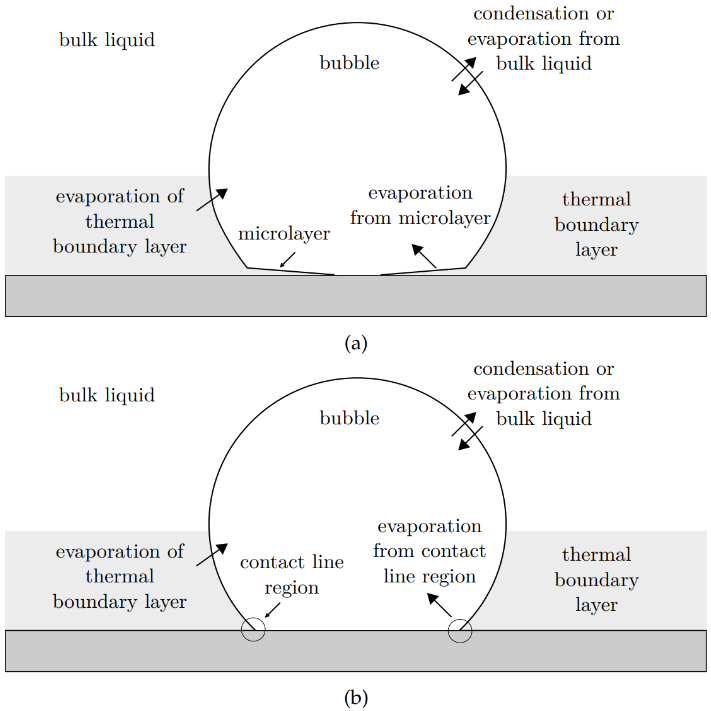
Figure 4. Heat transfer processes involved in the growth of a bubble in pool boiling including evaporation of the (a) microlayer and (b) contact line region (Iyer, 2023)
Recently, the development of physics-based models considering the heat transfer from the contact-line region and the microlayer in pool boiling of sodium has been pursued (Iyer, 2023). Iyer et al. (2020) developed a validated mathematical model to quantify the amount of heat transferred from the evaporation of the contact line region in a sodium bubble. Results from the model indicated that the evaporative heat flux from the contact line region in sodium at a moderate superheat of 15 K can be up to six times larger as compared to that for high Pr number fluids. The authors also highlighted that the presence of free electrons in sodium leads to an electron pressure which makes the contact line dynamics in sodium fundamentally different compared to high Pr number liquids. Building upon this initial work on the modelling of the contact line region, a complete mechanistic model simulating bubble growth from nucleation to departure was developed (Iyer et al., 2022, 2023). Figure 5 shows the schematic of the bubble growth process considered in the study. A detailed description of the main geometric parameters, the forces, the heat transfer mechanisms and the model solution methodology is given in Iyer et al. (2023). The model also accounted for the change in the shape of the bubble and the formation of a bottleneck at the base of the bubble as it grows in a sodium pool. The results showed that the heat transferred from the microlayer decreases as the bubble grows and sodium bubbles typically tend to be larger than higher Prandtl number fluids, with the bubble departure diameter measuring up to a few centimetres (Iyer et al., 2023). The shape of a sodium bubble is also highly dependent on the wall superheat with the formation of a bottleneck at low superheats as shown in Fig. 6. Adding further complexities to the model, like the flow of fluid around the bubble and detailed validation with sodium boiling experiments, would provide further insight into the sodium boiling process.

Figure 5. Schematic of the bubble growth process showing the different heat transfer mechanisms, forces, and main geometrical parameters. Reproduced from Iyer et al. (2023) with permission from Elsevier.

Figure 6. Variation in the shape of a sodium bubble at different superheat values where t* = t/tdeparture. Reproduced from Iyer et al. (2023) with permission from Elsevier.
In addition to the development of detailed mechanistic models, numerical simulations of sodium pool and flow boiling have also been pursued mainly by the nuclear industry using two methods: (a) the interface-tracking method where the liquid–vapour interface of the bubble is explicitly captured as the bubble grows (Giustini et al., 2020) and (b) using the Eulerian–Eulerian two-fluid method in which the conservation equations for each phase are solved to obtain an interpenetrating continua without explicitly tracking the liquid–vapour interface (Chenu, 2011; Tom et al., 2022; 2023). Interface-tracking simulations of sodium boiling were performed by Giustini et al. (2020) to understand the growth and the depletion of the microlayer during the growth of a sodium bubble in a liquid pool. However, similarly to the mechanistic models, a key drawback of the numerical simulation was the lack of experimental validation and the large number of assumptions and simplifications made in performing the simulation. Unlike interface tracking simulations where the interface of each bubble is tracked, Eulerian–Eulerian simulations give an average flow field and have been useful to understand the flow boiling characteristics in tubes and rod bundles during loss of coolant flow conditions which may occur due to a blockage in a tube in a nuclear power plant. These simulations rely on a set of correlations to model the transfer of mass, momentum, and energy between the two phases. These correlations are typically obtained from the boiling of high Prandtl number liquids and their validity is limited to the experimental conditions under which they were derived. Thus, their use for general sodium boiling understanding is limited. Nevertheless, these simulations provide important data regarding surface temperatures and void fractions in rod bundles which is an important factor as bubbles in sodium tend to be larger and may cover the entire cross-section of the rod bundles. Over the years several in-house computational fluid dynamics (CFD) codes have been developed based on the Eulerian–Eulerian two-fluid method and have been reviewed in Chenu (2011). The codes have been validated and benchmarked with experimental results and are commonly used in the safety analysis of nuclear systems.
4. Summary
A brief overview is presented of the use of liquid sodium as a HTF, highlighting its superior thermal properties and practical advantages in high-temperature applications. A wide temperature range of liquid state of sodium, high thermal conductivity and low viscosity make liquid sodium an attractive candidate for applications in nuclear reactors and concentrating solar thermal collectors, in which efficient thermal management and high energy density are critical.
The discussion of sensibly heated sodium explores the unique heat transfer characteristics associated with its low Prandtl number, along with the complexities and challenges in accurately predicting heat transfer in turbulent liquid sodium flows. Selected Nusselt number correlations used for sodium flows have been discussed in addition to the modified turbulent model used to predict heat transfer characteristics in internal flows.
The exploration of sodium boiling systems has revealed distinct boiling characteristics of sodium as compared to conventional fluids driven by its higher surface tension, latent heat, and thermal conductivity. The historical context and recent advancements in sodium boiling research, particularly in CSP systems, demonstrate the evolving understanding and potential of sodium as a HTF in high-temperature applications.
Despite the significant progress made, critical challenges remain unaddressed, particularly in the experimental validation and detailed modelling of sensibly heated and boiling sodium flows. Addressing these challenges is essential for optimizing sodium-based systems and ensuring their safe and efficient operation.
REFERENCES
Andraka, C.E., Moreno, J.B., Diver, R.B., Ginn, W.C., Dudley, V., and Rawlinson, K.S. (1990) Reflux pool-boiler as a heat-transport device for Stirling engines: On-sun test program results, in Proc. of the 25th Intersociety Energy Conversion Engineering Conf. , Reno, NV, USA, August 12–17, 1990.
Andraka, C.E., Moreno, J.B., Diver, R.B., and Moss, T.A. (1992) Sodium reflux pool-boiler solar receiver on-sun test results, Tech. Rep., Sandia National Laboratories. DOI: 10.2172/7239599
Asselineau, C.-A., Pye, J., and Coventry, J. (2022) Exploring efficiency limits for molten-salt and sodium external cylindrical receivers for third-generation concentrating solar power, Solar Energy, 240: 354–375. DOI: 10.1016/j.solener.2022.05.001
Ayrault, L., Hering, W., Ziks, A., Platacis, E., Kravalis, K., Buligins, L., Eckert, S., Gerberth, G., and Sanseigne, E. (2018) Design guidelines for sodium loops. Retrieved Sept. 16, 2024, from https://zenodo.org/records/1992934. DOI: 10.5281/zenodo.1992934
Bankoff, S.G and Choi, H.K. (1976) Growth of a bubble at a heated surface in a pool of liquid metal, International Journal of Heat and Mass Transfer, 19(1): 87–93. DOI: 10.1016/0017-9310(76)90013-2
Chen, C.-J. and Chiou, J.S. (1981) Laminar and turbulent heat transfer in the pipe entrance region for liquid metals, International Journal of Heat and Mass Transfer, 24(7): 1179–1189. DOI: 10.1016/0017-9310(81)90167-8
Chenu, A. (2011) Single- and two-phase flow modeling for coupled neutronics/thermal-hydraulics transient analysis of advanced sodium-cooled fast reactors, PhD, École Polytechnique féedéerale de Laussane.
Cornet, S. (2015) Handbook on Lead-bismuth Eutectic Alloy and Lead Properties, Materials Compatibility, Thermal-Hydraulics and Technologies, OECD Nuclear Energy Agency.
Coventry, J., Andraka, C., Pye, J., Blanco, M., and Fisher, J. (2015) A review of sodium receiver technologies for central receiver solar power plants, Solar Energy,122: 749–762. DOI: 10.1016/j.solener.2015.09.023.
Deane, C.W. and Rohsenow, W.M. (1969) Mechanism and behavior of nucleate boiling heat transfer to the alkali liquid metals, Tech. Rep., Massachusetts Institute of Technology.
Dwyer, O.E., Strickland, G., Kalish, S., Hlavac, P. and Schoener, G. (1973) Incipient-boiling superheat for sodium in turbulent channel flow: Effects of heat flux and flow rate, International Journal of Heat and Mass Transfer, 16(5): 971–984. DOI: 10.1016/0017-9310(73)90036-7
Dwyer, O. (1976a) Growth rates of hemispherical bubbles in nucleate boiling of liquid metals, Chemical Engineering Science, 31(3): 187–193.
Dwyer, O.E. (1976b) Boiling Liquid Metal Heat Transfer, American Nuclear Society.
Foust, O.J. (1972) Sodium–NaK Engineering Handbook, New York: Gordon and Breach.
Giustini, G., Kim, H., Issa, R.I., and Bluck, M.J. (2020) Modelling microlayer formation in boiling sodium, Fluids, 5(4): 213. DOI: 10.3390/fluids5040213
Iyer, S. (2023) Thermal transport in sodium boiling flows for concentrating solar thermal applications, PhD, The Australian National University. DOI: 10.25911/5HXJ-X829
Iyer, S., and Kumar, A., Coventry, J., and Lipiński, W. (2023) Mechanistic modelling of bubble growth in sodium pool boiling, Applied Mathematical Modelling, 117: 336–358. DOI: 10.1016/j.apm.2022.11.030
Iyer, S., Kumar, A., Coventry, J., Pye, J., and Lipiński, W. (2020) Micro-scale heat transfer modelling of the contact line region of a boiling-sodium bubble, International Journal of Heat and Mass Transfer, 160: 120106. DOI: 10.1016/j.ijheatmasstransfer.2020.120106
Iyer, S., Kumar, A., Coventry, J., and Lipiński, W. (2022) Heat transfer modelling of an isolated bubble in sodium pool boiling, International Journal of Thermal Sciences, 179: 107678. DOI: 10.1016/j.ijthermalsci.2022.107678
Kaiser, A., Peppler, W., and Vöröss, L. (1974) Type of flow, pressure drop and critical heat flux of a two-phase sodium flow, Nuclear Engineering and Design, 30(3): 305–315. DOI: 10.1016/0029-5493(74)90216-7
Kaiser, A. and Peppler, W. (1977) Sodium boiling experiments in a seven-pin bundle: Flow patterns and two-phase pressure drop, Nuclear Engineering and Design, 43(2): 285–293. DOI: 10.1016/0029-5493(77)90006-1
Kays, W.M., Crawford, M.E., and Weigand, B. (1980) Convective Heat and Mass Transfer, New York: McGraw-Hill.
Kays, W.M. (1994) Turbulent Prandtl number—Where are we?, Journal of Heat Transfer, 116(2): 284–295. DOI: 10.1115/1.2911398
Kee, Z., Coventry, J., and Pye, J. (2023) Boiling sodium and melting salt: Evaluation and optimisation of a novel solar–thermal system concept, Applied Thermal Engineering, 218: 119165. DOI: 10.1016/j.applthermaleng.2022.119165
Kottowski, H.M. and Savatteri, C. (1977) Evaluation of sodium incipient superheat measurements with regard to the importance of various experimental and physical parameters, International Journal of Heat and Mass Transfer, 20(12): 1281–1300. DOI: 10.1016/0017-9310(77)90024-2
Kikuchi, Y., Takahashi, T., Haga, K., and Okouchi, T. (1974) Incipient boiling of sodium flowing in a single-pin annular channel, Journal of Nuclear Science and Technology, 11(5): 172–186. DOI: 10.1080/18811248.1974.9730645
Kikuchi, Y., Haga, K., and Takahashi, T. (1975) Experimental study of steady-state boiling of sodium flowing in a single-pin annular channel, Journal of Nuclear Science and Technology, 12(2): 83–91. DOI: 10.1080/18811248.1975.9733074
Kutateladze, S.S., Borishanskii, V.M., and Novikov, I.I. (1958) Heat transfer in liquid metals, The Soviet Journal of Atomic Energy, 4: 555–571. DOI: 10.1007/BF01497931
Manservisi, S. and Menghini, F. (2014) A CFD four parameter heat transfer turbulence model for engineering applications in heavy liquid metals, International Journal of Heat and Mass Transfer, 69: 312–326. DOI: 10.1016/j.ijheatmasstransfer.2013.10.017
Marocco, L., and Cammi, G., Flesch, J., and Wetzel, T. (2016) Numerical analysis of a solar tower receiver tube operated with liquid metals, International Journal of Thermal Sciences, 105: 22–35. DOI: 10.1016/j.ijthermalsci.2016.02.002
Marocco, L., Sala, M., Centurelli, G., Straub, S., and Colombo, L. (2022) LES simulations and Nusselt number decomposition of turbulent mixed convection of liquid metals flowing in a vertical pipe, International Journal of Heat and Mass Transfer, 182: 121977. DOI: 10.1016/j.ijheatmasstransfer.2021.121977
Marto, P.J. and Rohsenow, W.M. (1966) Effects of surface conditions on nucleate pool boiling of sodium, Journal of Heat Transfer, 88(2): 196–203. DOI: 10.1115/1.3691514
Moreno, J.B. and Andraka, C.E. (1989) Test Results from Bench-Scale Sodium-Pool-Boiler Solar Receiver, Tech. Rep., Sandia National Laboratories. DOI: 10.2172/5961099
Noyes, R.C. (1963) An experimental study of sodium pool boiling heat transfer, Journal of Heat Transfer, 85(2): 125–129. DOI: 10.1115/1.3686026
OSTI (1983) Sodium solar receiver experiment. Tech. Rep. Canoga Park, CA, USA: Rockwell International. DOI: 10.2172/5332177.
Pacio, J, Marocco, L., and Wetzel, T. (2015) Review of data and correlations for turbulent forced convective heat transfer of liquid metals in pipes, Heat and Mass Transfer, 51(2): 153–164. DOI: 10.1007/s00231-014-1392-3
Qiu, Z.C., Ma, Z.Y., Qiu, S.Z., Su, G.H., Zhang, D.L., Wu, Y.W., and Tian, W.X. (2015) Experimental research on the thermal hydraulic characteristics of sodium boiling in an annulus, Experimental Thermal and Fluid Science, 60: 263–274. DOI: 10.1016/j.expthermflusci.2014.09.016
Sarvghad, M., Ong, T.C., Bell, S., Rumman, R., Maher, S.D., Woodcock, J.W., Will, G., Andersson, G., Lewis, D.A., and Steinberg, T.A. (2022) On the compatibility of liquid sodium as heat transfer fluid for advanced concentrated solar thermal energy systems, Solar Energy Materials and Solar Cells, 246: 111897. DOI: 10.1016/j.solmat.2022.111897
Schleisiek, K. (1970) Heat transfer and boiling during forced convection of sodium in an induction-heated tube, Nuclear Engineering and Design, 14(1): 60–68.
Seiler, J.M. and Seiler, N. (2024) CESAR experiment: Sodium boiling during Transient OverPower, Nuclear Engineering and Design, 424: 113213. DOI: 10.1016/j.nucengdes.2024.113213
Shai, I. (1967) Mechanism of nucleate pool boiling heat transfer to sodium and the criterion for stable boiling, Tech. Rep., Massachusetts Institute of Technology Engineering Projects Laboratory.
Skupinski, E., Tortel, J., and Vautrey, L. (1965) Determination des coefficients de convection d'un alliage sodium-potassium dans un tube circulaire, International Journal of Heat and Mass Transfer, 8(6): 937–951. DOI: 10.1016/0017-9310(65)90077-3
Subbotin, V.I., Papovyants, A.K., Kirillov, P.L., and Ivanovskii, N.N. (1963) A study of heat transfer to molten sodium in tubes, Soviet Atomic Energy, 13(4): 991–994. DOI: 10.1007/BF01480861
Tom, S., Rao, P.M., Venkatraman, B., and Raghupathy, S. (2022) Development of CFD based model for sodium flow boiling in narrow channel akin to SFR fuel subchannel towards high void fraction regimes, Nuclear Engineering and Design, 396: 111877. DOI: 10.1016/j.nucengdes.2022.111877
Tom, S., Rao, P.M., Venkatraman, B., and Raghupathy, S. (2023) Numerical simulation of subcooled flow boiling in a vertical annulus channel under near atmospheric pressure conditions, Nuclear Science and Engineering, 197(6): 1038–1070. DOI: 10.1080/00295639.2022.2133948
Zeigarnick, Y. and Litvinov, V.D. (1980) Heat transfer and pressure drop in sodium boiling in tubes, Nuclear Science and Engineering, 73(1): 19–28. DOI: 10.13182/NSE80-A18704
Zheng, M.M., Zapata, J., Asselineau, C.-A., Coventry, J., and Pye, J. (2020) Analysis of tubular receivers for concentrating solar tower systems with a range of working fluids, in exergy-optimised flow-path configurations, Solar Energy, 211: 999–1016. DOI: 10.1016/j.solener.2020.09.037
Использованная литература
- Andraka, C.E., Moreno, J.B., Diver, R.B., Ginn, W.C., Dudley, V., and Rawlinson, K.S. (1990) Reflux pool-boiler as a heat-transport device for Stirling engines: On-sun test program results, in Proc. of the 25th Intersociety Energy Conversion Engineering Conf. , Reno, NV, USA, August 12–17, 1990.
- Andraka, C.E., Moreno, J.B., Diver, R.B., and Moss, T.A. (1992) Sodium reflux pool-boiler solar receiver on-sun test results, Tech. Rep., Sandia National Laboratories. DOI: 10.2172/7239599
- Asselineau, C.-A., Pye, J., and Coventry, J. (2022) Exploring efficiency limits for molten-salt and sodium external cylindrical receivers for third-generation concentrating solar power, Solar Energy, 240: 354–375. DOI: 10.1016/j.solener.2022.05.001
- Ayrault, L., Hering, W., Ziks, A., Platacis, E., Kravalis, K., Buligins, L., Eckert, S., Gerberth, G., and Sanseigne, E. (2018) Design guidelines for sodium loops. Retrieved Sept. 16, 2024, from https://zenodo.org/records/1992934. DOI: 10.5281/zenodo.1992934
- Bankoff, S.G and Choi, H.K. (1976) Growth of a bubble at a heated surface in a pool of liquid metal, International Journal of Heat and Mass Transfer, 19(1): 87–93. DOI: 10.1016/0017-9310(76)90013-2
- Chen, C.-J. and Chiou, J.S. (1981) Laminar and turbulent heat transfer in the pipe entrance region for liquid metals, International Journal of Heat and Mass Transfer, 24(7): 1179–1189. DOI: 10.1016/0017-9310(81)90167-8
- Chenu, A. (2011) Single- and two-phase flow modeling for coupled neutronics/thermal-hydraulics transient analysis of advanced sodium-cooled fast reactors, PhD, École Polytechnique féedéerale de Laussane.
- Cornet, S. (2015) Handbook on Lead-bismuth Eutectic Alloy and Lead Properties, Materials Compatibility, Thermal-Hydraulics and Technologies, OECD Nuclear Energy Agency.
- Coventry, J., Andraka, C., Pye, J., Blanco, M., and Fisher, J. (2015) A review of sodium receiver technologies for central receiver solar power plants, Solar Energy,122: 749–762. DOI: 10.1016/j.solener.2015.09.023.
- Deane, C.W. and Rohsenow, W.M. (1969) Mechanism and behavior of nucleate boiling heat transfer to the alkali liquid metals, Tech. Rep., Massachusetts Institute of Technology.
- Dwyer, O.E., Strickland, G., Kalish, S., Hlavac, P. and Schoener, G. (1973) Incipient-boiling superheat for sodium in turbulent channel flow: Effects of heat flux and flow rate, International Journal of Heat and Mass Transfer, 16(5): 971–984. DOI: 10.1016/0017-9310(73)90036-7
- Dwyer, O. (1976a) Growth rates of hemispherical bubbles in nucleate boiling of liquid metals, Chemical Engineering Science, 31(3): 187–193.
- Dwyer, O.E. (1976b) Boiling Liquid Metal Heat Transfer, American Nuclear Society.
- Foust, O.J. (1972) Sodium–NaK Engineering Handbook, New York: Gordon and Breach.
- Giustini, G., Kim, H., Issa, R.I., and Bluck, M.J. (2020) Modelling microlayer formation in boiling sodium, Fluids, 5(4): 213. DOI: 10.3390/fluids5040213
- Iyer, S. (2023) Thermal transport in sodium boiling flows for concentrating solar thermal applications, PhD, The Australian National University. DOI: 10.25911/5HXJ-X829
- Iyer, S., and Kumar, A., Coventry, J., and Lipiński, W. (2023) Mechanistic modelling of bubble growth in sodium pool boiling, Applied Mathematical Modelling, 117: 336–358. DOI: 10.1016/j.apm.2022.11.030
- Iyer, S., Kumar, A., Coventry, J., Pye, J., and Lipiński, W. (2020) Micro-scale heat transfer modelling of the contact line region of a boiling-sodium bubble, International Journal of Heat and Mass Transfer, 160: 120106. DOI: 10.1016/j.ijheatmasstransfer.2020.120106
- Iyer, S., Kumar, A., Coventry, J., and Lipiński, W. (2022) Heat transfer modelling of an isolated bubble in sodium pool boiling, International Journal of Thermal Sciences, 179: 107678. DOI: 10.1016/j.ijthermalsci.2022.107678
- Kaiser, A., Peppler, W., and Vöröss, L. (1974) Type of flow, pressure drop and critical heat flux of a two-phase sodium flow, Nuclear Engineering and Design, 30(3): 305–315. DOI: 10.1016/0029-5493(74)90216-7
- Kaiser, A. and Peppler, W. (1977) Sodium boiling experiments in a seven-pin bundle: Flow patterns and two-phase pressure drop, Nuclear Engineering and Design, 43(2): 285–293. DOI: 10.1016/0029-5493(77)90006-1
- Kays, W.M., Crawford, M.E., and Weigand, B. (1980) Convective Heat and Mass Transfer, New York: McGraw-Hill.
- Kays, W.M. (1994) Turbulent Prandtl number—Where are we?, Journal of Heat Transfer, 116(2): 284–295. DOI: 10.1115/1.2911398
- Kee, Z., Coventry, J., and Pye, J. (2023) Boiling sodium and melting salt: Evaluation and optimisation of a novel solar–thermal system concept, Applied Thermal Engineering, 218: 119165. DOI: 10.1016/j.applthermaleng.2022.119165
- Kottowski, H.M. and Savatteri, C. (1977) Evaluation of sodium incipient superheat measurements with regard to the importance of various experimental and physical parameters, International Journal of Heat and Mass Transfer, 20(12): 1281–1300. DOI: 10.1016/0017-9310(77)90024-2
- Kikuchi, Y., Takahashi, T., Haga, K., and Okouchi, T. (1974) Incipient boiling of sodium flowing in a single-pin annular channel, Journal of Nuclear Science and Technology, 11(5): 172–186. DOI: 10.1080/18811248.1974.9730645
- Kikuchi, Y., Haga, K., and Takahashi, T. (1975) Experimental study of steady-state boiling of sodium flowing in a single-pin annular channel, Journal of Nuclear Science and Technology, 12(2): 83–91. DOI: 10.1080/18811248.1975.9733074
- Kutateladze, S.S., Borishanskii, V.M., and Novikov, I.I. (1958) Heat transfer in liquid metals, The Soviet Journal of Atomic Energy, 4: 555–571. DOI: 10.1007/BF01497931
- Manservisi, S. and Menghini, F. (2014) A CFD four parameter heat transfer turbulence model for engineering applications in heavy liquid metals, International Journal of Heat and Mass Transfer, 69: 312–326. DOI: 10.1016/j.ijheatmasstransfer.2013.10.017
- Marocco, L., and Cammi, G., Flesch, J., and Wetzel, T. (2016) Numerical analysis of a solar tower receiver tube operated with liquid metals, International Journal of Thermal Sciences, 105: 22–35. DOI: 10.1016/j.ijthermalsci.2016.02.002
- Marocco, L., Sala, M., Centurelli, G., Straub, S., and Colombo, L. (2022) LES simulations and Nusselt number decomposition of turbulent mixed convection of liquid metals flowing in a vertical pipe, International Journal of Heat and Mass Transfer, 182: 121977. DOI: 10.1016/j.ijheatmasstransfer.2021.121977
- Marto, P.J. and Rohsenow, W.M. (1966) Effects of surface conditions on nucleate pool boiling of sodium, Journal of Heat Transfer, 88(2): 196–203. DOI: 10.1115/1.3691514
- Moreno, J.B. and Andraka, C.E. (1989) Test Results from Bench-Scale Sodium-Pool-Boiler Solar Receiver, Tech. Rep., Sandia National Laboratories. DOI: 10.2172/5961099
- Noyes, R.C. (1963) An experimental study of sodium pool boiling heat transfer, Journal of Heat Transfer, 85(2): 125–129. DOI: 10.1115/1.3686026
- OSTI (1983) Sodium solar receiver experiment. Tech. Rep. Canoga Park, CA, USA: Rockwell International. DOI: 10.2172/5332177.
- Pacio, J, Marocco, L., and Wetzel, T. (2015) Review of data and correlations for turbulent forced convective heat transfer of liquid metals in pipes, Heat and Mass Transfer, 51(2): 153–164. DOI: 10.1007/s00231-014-1392-3
- Qiu, Z.C., Ma, Z.Y., Qiu, S.Z., Su, G.H., Zhang, D.L., Wu, Y.W., and Tian, W.X. (2015) Experimental research on the thermal hydraulic characteristics of sodium boiling in an annulus, Experimental Thermal and Fluid Science, 60: 263–274. DOI: 10.1016/j.expthermflusci.2014.09.016
- Sarvghad, M., Ong, T.C., Bell, S., Rumman, R., Maher, S.D., Woodcock, J.W., Will, G., Andersson, G., Lewis, D.A., and Steinberg, T.A. (2022) On the compatibility of liquid sodium as heat transfer fluid for advanced concentrated solar thermal energy systems, Solar Energy Materials and Solar Cells, 246: 111897. DOI: 10.1016/j.solmat.2022.111897
- Schleisiek, K. (1970) Heat transfer and boiling during forced convection of sodium in an induction-heated tube, Nuclear Engineering and Design, 14(1): 60–68.
- Seiler, J.M. and Seiler, N. (2024) CESAR experiment: Sodium boiling during Transient OverPower, Nuclear Engineering and Design, 424: 113213. DOI: 10.1016/j.nucengdes.2024.113213
- Shai, I. (1967) Mechanism of nucleate pool boiling heat transfer to sodium and the criterion for stable boiling, Tech. Rep., Massachusetts Institute of Technology Engineering Projects Laboratory.
- Skupinski, E., Tortel, J., and Vautrey, L. (1965) Determination des coefficients de convection d'un alliage sodium-potassium dans un tube circulaire, International Journal of Heat and Mass Transfer, 8(6): 937–951. DOI: 10.1016/0017-9310(65)90077-3
- Subbotin, V.I., Papovyants, A.K., Kirillov, P.L., and Ivanovskii, N.N. (1963) A study of heat transfer to molten sodium in tubes, Soviet Atomic Energy, 13(4): 991–994. DOI: 10.1007/BF01480861
- Tom, S., Rao, P.M., Venkatraman, B., and Raghupathy, S. (2022) Development of CFD based model for sodium flow boiling in narrow channel akin to SFR fuel subchannel towards high void fraction regimes, Nuclear Engineering and Design, 396: 111877. DOI: 10.1016/j.nucengdes.2022.111877
- Tom, S., Rao, P.M., Venkatraman, B., and Raghupathy, S. (2023) Numerical simulation of subcooled flow boiling in a vertical annulus channel under near atmospheric pressure conditions, Nuclear Science and Engineering, 197(6): 1038–1070. DOI: 10.1080/00295639.2022.2133948
- Zeigarnick, Y. and Litvinov, V.D. (1980) Heat transfer and pressure drop in sodium boiling in tubes, Nuclear Science and Engineering, 73(1): 19–28. DOI: 10.13182/NSE80-A18704
- Zheng, M.M., Zapata, J., Asselineau, C.-A., Coventry, J., and Pye, J. (2020) Analysis of tubular receivers for concentrating solar tower systems with a range of working fluids, in exergy-optimised flow-path configurations, Solar Energy, 211: 999–1016. DOI: 10.1016/j.solener.2020.09.037